Water Damage Restoration Swarthmore, PA
Water extraction, structural drying and sewage cleanup for borough homes and small businesses, including older houses built from the Victorian period through the 1920s, with a clear scope set before work begins.
(888) 557-1733Ring a drying crew nowCosts depend on the area, the water category and the materials, so each job starts with an itemized scope.
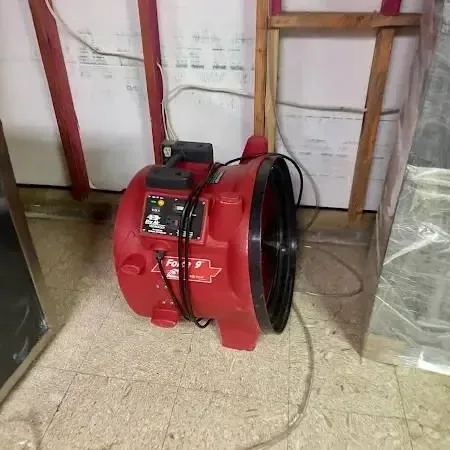
Thirteen water damage services for the borough
Each service covers a different source of water, and each starts by finding where the water came from, how far it spread and which materials stayed wet.
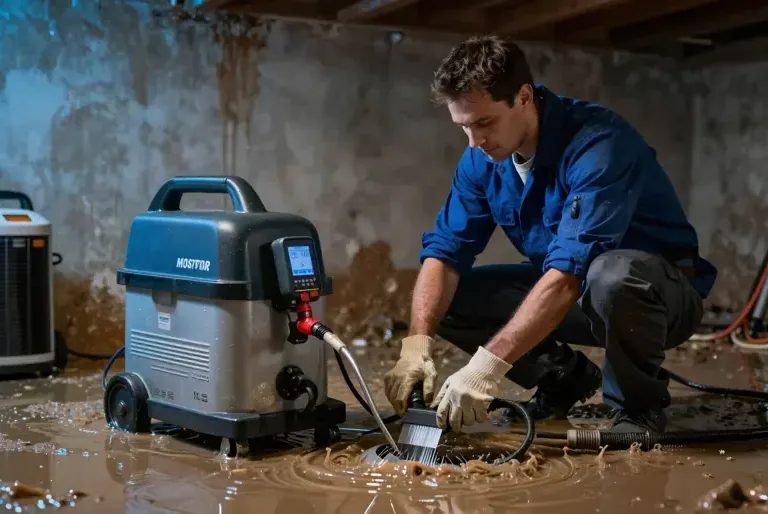 Water Extraction and RemovalStanding water is pumped and vacuumed out fast, before it works into the flooring, trim and framing of older homes.Open the service page
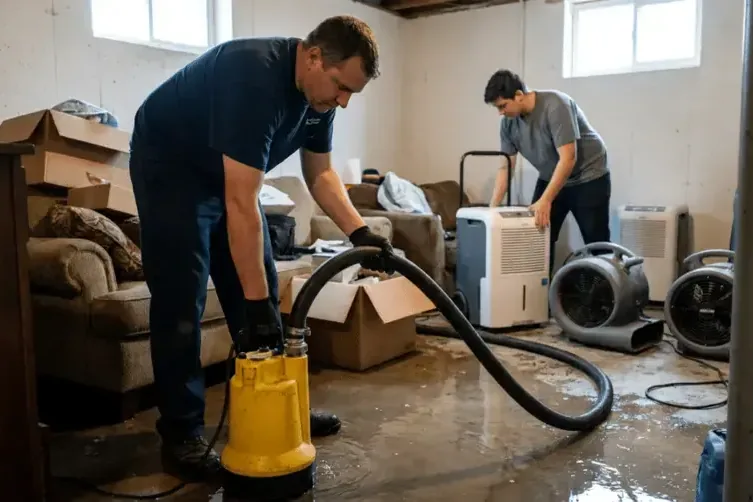
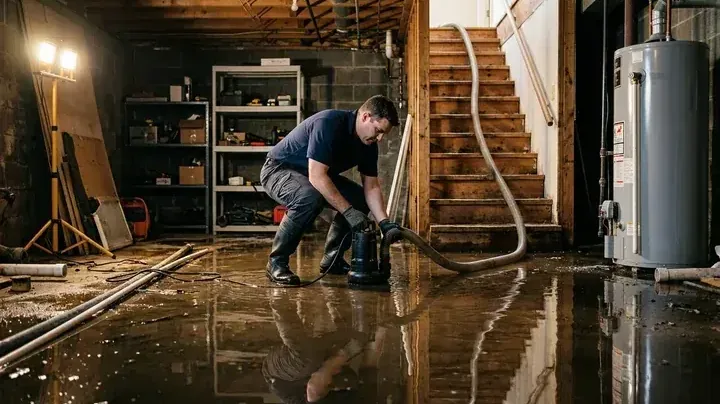 Basement Flooding CleanupPump-out, debris removal and drying for a flooded lower level, whatever route the water took to get in.Open the service page
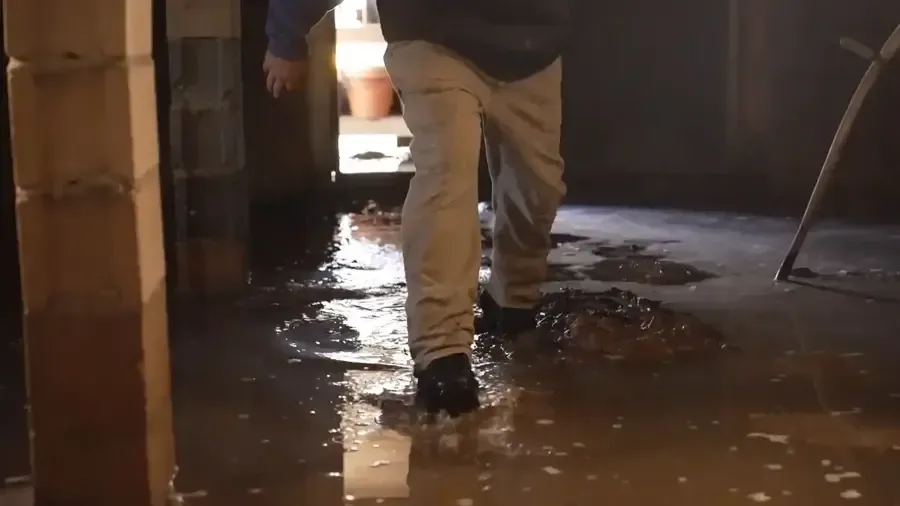 Sump Pump Failure CleanupWhen a pump stops or is overwhelmed, the rising water is extracted and the area is dried before damage spreads.Open the service page
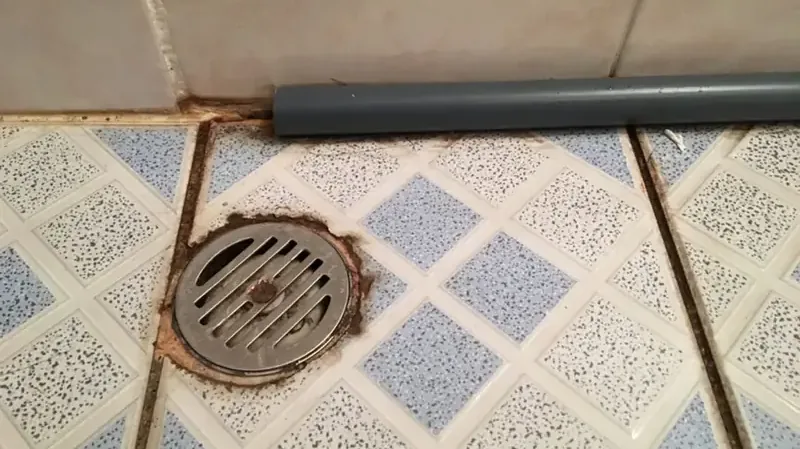 Sewage Backup CleanupContaminated backup water is removed, affected materials are cleared out and the area is cleaned and sanitized safely.Open the service page
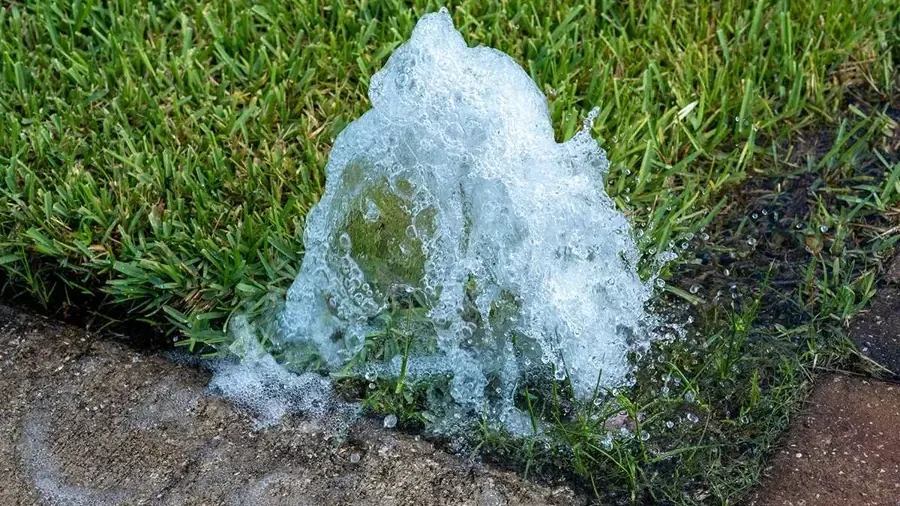 Burst Pipe Water DamageShutting off the supply comes first, then extraction, drying and a check on every wall the water reached.Open the service page
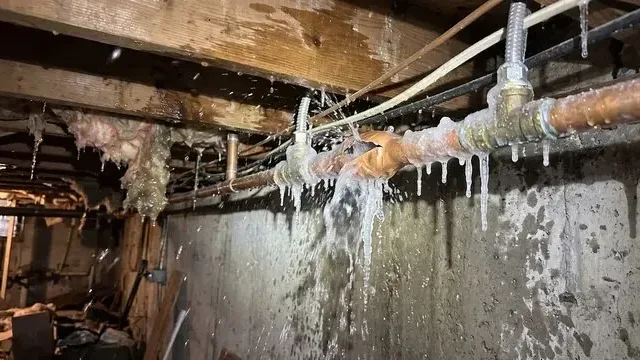 Frozen Pipe Water DamageA split pipe after a hard cold snap is dried out thoroughly, including the wall cavity and the floor below.Open the service page
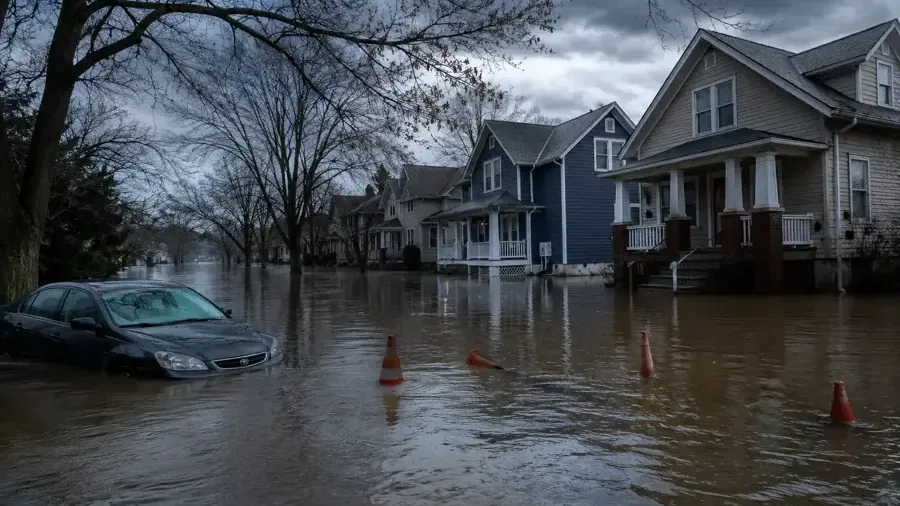 Storm and Flash Flood CleanupWater that enters from outside is pumped out, silt and debris are cleared and wet finishes are dried.Open the service page
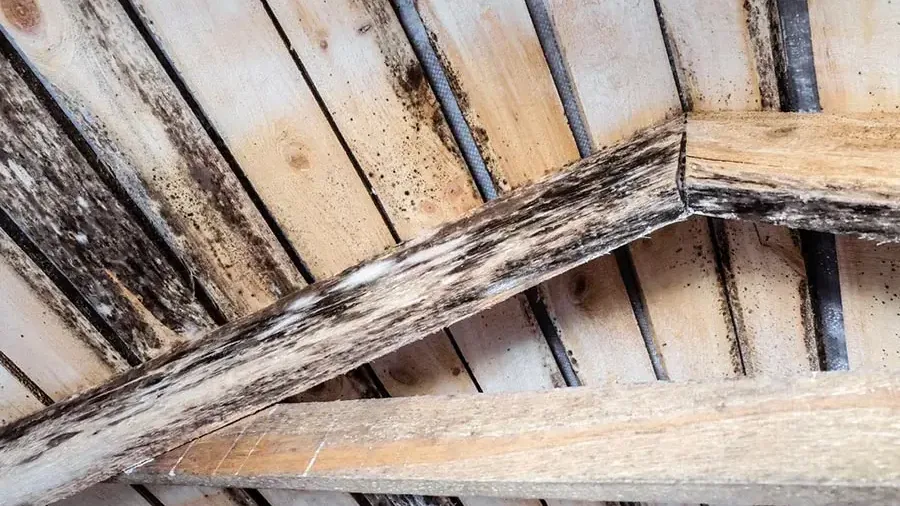 Roof Leak and Ice Dam Water DamageRoof leak water is traced from the roofline through attic, ceiling and walls, then dried at each layer.Open the service page
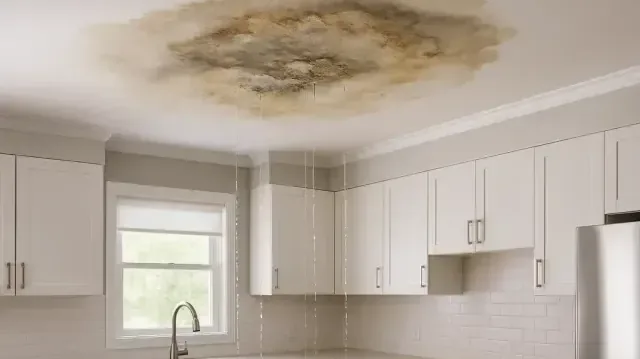 Ceiling Leak Water DamageA stained or sagging ceiling gets its source traced first, then the wet material is opened up and dried.Open the service page
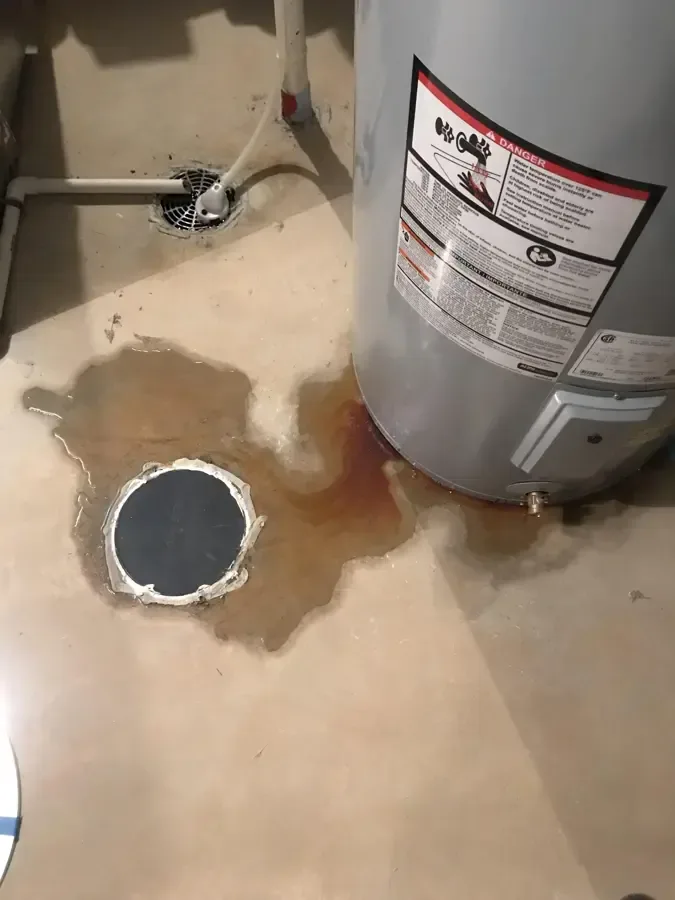
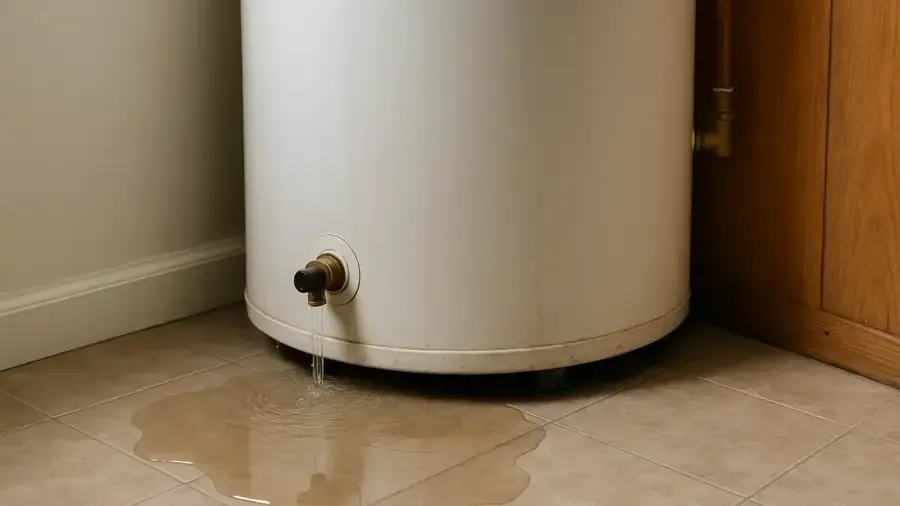 Water Heater Leak CleanupA leaking tank is shut off, the spill is extracted and the floor and nearby walls are dried.Open the service page
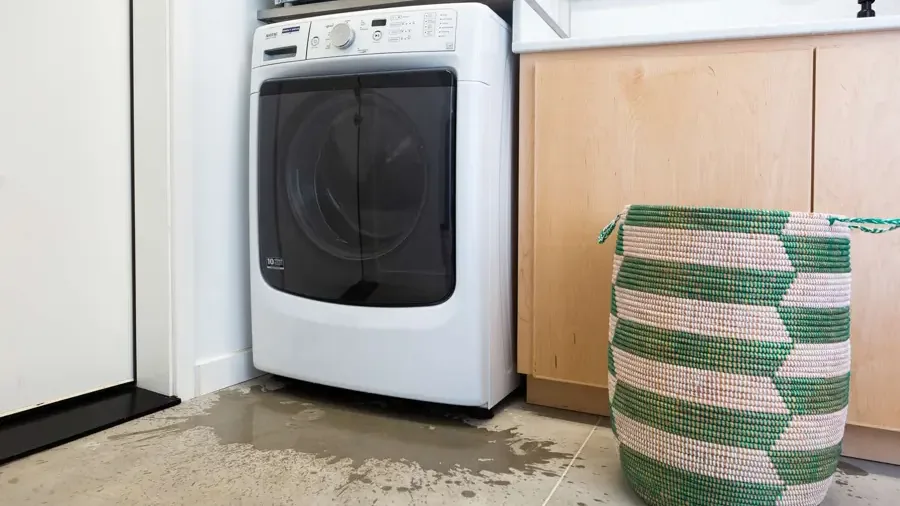 Appliance and Supply Hose LeaksWasher, dishwasher and supply hose leaks are extracted, and the floor, cabinets and subfloor are dried.Open the service page
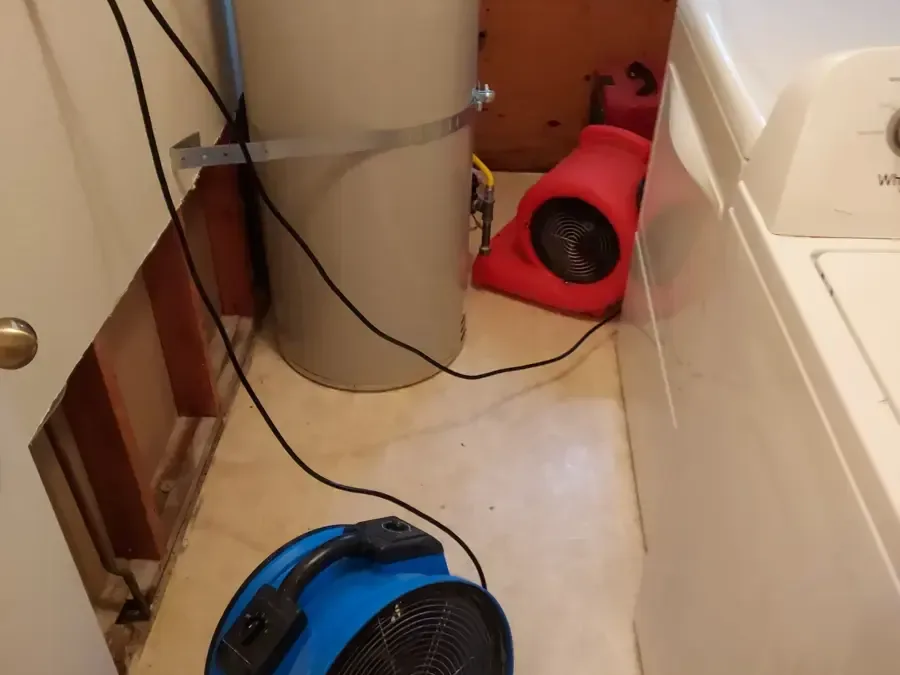
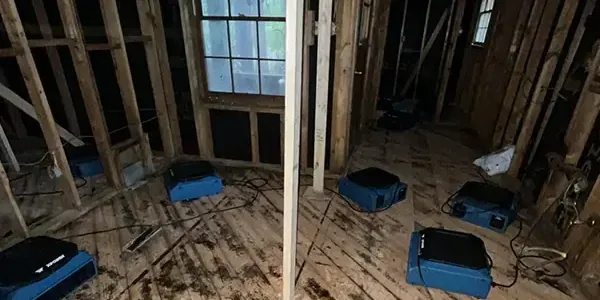 Structural Drying and DehumidificationAir movers and dehumidifiers pull moisture from framing, subfloors and walls, with readings taken until everything is dry.Open the service page
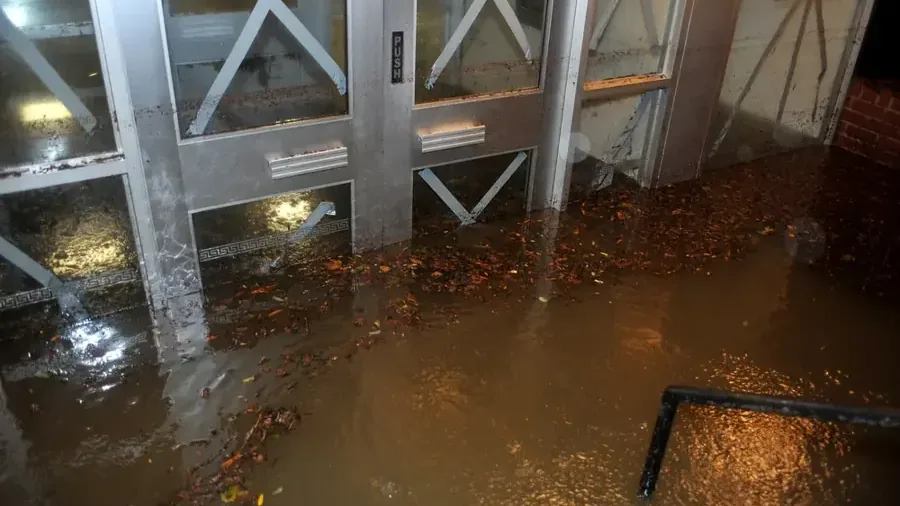 Commercial Water DamageShops, restaurants, day-care centers and offices get a phased plan that limits disruption and protects stock.Open the service page
What to do in the first hours of a leak
- Stop the source. Shut off the main water valve or the failed appliance supply if that is safe, and stay clear of standing water near outlets.
- Cut the power safely. Turn off breakers for wet areas only when the panel is dry and easy to reach, and never touch live wiring in water.
- Take quick photos. Photograph the damage and the source before anything is moved, since insurers ask for a record.
- Call for extraction. A restoration crew pumps out water and starts drying, which limits how much has to be torn out.
- Save what is dry. Lift small furniture, rugs and electronics out of the wet zone, and leave soaked drywall and carpet to the crew.
Dispatch runs every hour of the year, weekends and holidays included.
(888) 557-1733Ring a drying crew nowWhy local owners choose the drying team
The restoration team records moisture before and after drying, so the property owner sees exactly what was wet and when it tested dry.
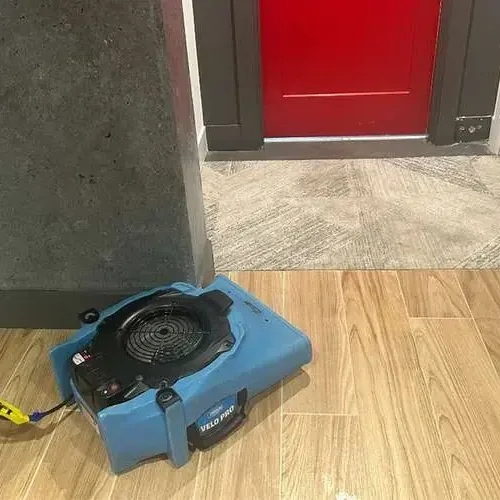
Moisture mapped first
Meters and thermal readings show where water traveled behind walls and under floors, so drying targets wet material, not guesses.
Equipment sized to the job
Air movers and dehumidifiers are matched to the room volume and the materials, then repositioned as readings change.
An itemized scope
Costs are laid out item by item, which gives homeowners and adjusters the same clear picture of the work.
Dry-down proof
Final readings are recorded so the owner knows when each wet area is dry, before anything is rebuilt.
Three common sources of water damage
Burst pipes
Category 1A split pipe can soak a wall cavity and the floor below before anyone notices, so the supply is shut off and the framing is dried.
Burst pipe cleanupSewage backups
Category 2Backed-up drain water is contaminated, so affected materials are removed and the area is cleaned and sanitized.
Sewage backup cleanupStorm water
Category 3Heavy rain can push water in through doors, window wells and foundations, and the lower level is pumped out and dried.
Storm flood cleanupHow a drying job is run and documented
Every job follows the same sequence, from first moisture readings to the final dry-down, and each step is recorded so owners, adjusters and contractors can all follow the work step by step.
Assess
Moisture meters and thermal checks map the wet areas, the water category is identified and the source is confirmed.
Extract and remove
Standing water is pulled out, and saturated pad, baseboard or drywall is cut out when it cannot be dried in place.
Dry and monitor
Air movers and dehumidifiers run while readings are taken at each visit, with equipment moved as the wet zones shrink.
Verify and document
Dry readings are logged against each material's standard, and photos plus an itemized scope are ready for the insurance claim.
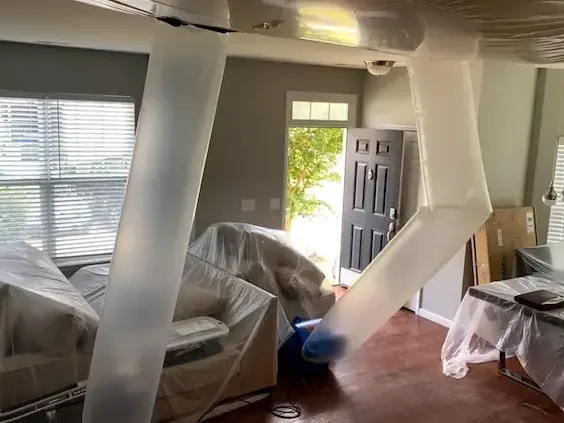
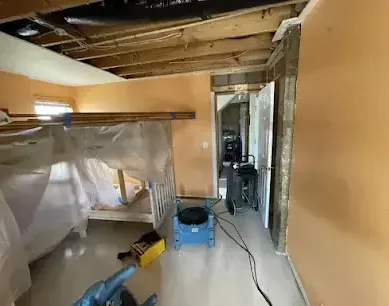
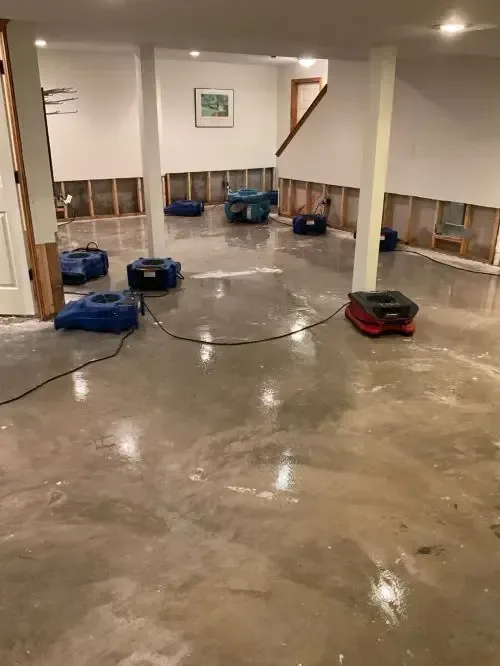
Drying equipment and extraction work in action
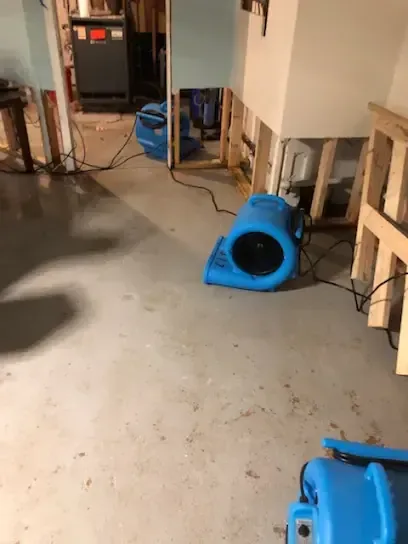
Water damage restoration across the borough
ZIP code
Reaching the restoration team from anywhere in the borough
The restoration team works across the borough, from the Town Center and the blocks near Swarthmore Station to the residential streets and the college area.
Service reaches every address in ZIP 19081, including homes, rental units and small commercial spaces, and the western side along Crum Creek is covered the same as the rest.
Non-urgent email: [email protected]
(888) 557-1733Request a drying planLocal landmarks
Nearby service areas
Full coverage list
What water damage restoration costs
A clean-water room often falls from $1,000 to $3,500, a finished basement or several rooms from $3,500 to $9,000, and dense materials or Category 3 water from $9,000 to $25,000+.
One room, clean water
- Water extraction
- Air movers
- Moisture checks
Finished basement or several rooms
- Wet pad removal
- Dehumidifiers
- Daily readings
Dense materials or Category 3
- Containment barriers
- Material removal
- Sanitizing
The final cost follows the itemized scope, which reflects the measured wet area, the water category and the materials removed, and the cost calculator gives a first estimate.
Working with homeowner insurance
Insurance may cover sudden water damage, though it rarely covers gradual leaks, and the restoration team documents the loss clearly for any claim.
- Photos of the damage and the water source
- Moisture readings from the first visit
- An itemized scope of the drying work
- Receipts for emergency repairs and equipment
- A list of damaged contents and materials
Sewer backup coverage
The borough notes that most homeowner policies have an optional rider for sewer backups, which pays only if it was purchased before the loss.
Policy wording varies, so a homeowner should read the water and sewer sections or ask the carrier what applies, and the restoration team supplies records that support the claim.
Water risks in the borough
Swarthmore sits in east-central Delaware County with Crum Creek along its western edge, and the housing runs from the Victorian period through the 1920s, so older buildings meet modern storms and cold snaps.
September 1, 2021 Remnants of Hurricane Ida moved through, and Delaware County officials called the county prone to flooding. The event is county-level and does not mark damage inside the borough.
Creek-side water
Crum Creek forms the western boundary of the borough and flows south toward the Delaware River, so property owners nearby can pull the PA Flood Risk Tool report for flood zone and risk type.
Older housing
Much of the housing dates from the Victorian period through the 1920s, so supply hoses, roofs and ceilings deserve a look for slow leaks and older materials need careful drying.
Sewer backups
The borough says periodic backups into homes inevitably occur, asks for a plumber first, and generally leaves cleanup to the resident.
Winter cold
January averages 33.1 degrees F and the plant hardiness zone is 7a, so pipes in unheated spaces deserve wrapping before a hard cold snap.
Commercial spaces
Restaurants and day-care centers need borough permits or licenses, and commercial projects follow a separate building permitting process, so repairs are planned with that in mind.
Water damage questions, answered
Water spreading right now?
Reach the restoration team any hour and describe what happened, and a drying plan starts from there.
(888) 557-1733 Start a drying planHow quickly does water damage need attention?
Water moves into flooring, drywall and framing fast, and mold can begin in 24 to 48 hours, so extraction and drying should start as soon as it is safe to enter the space.
Does homeowner insurance cover water damage?
Sudden events such as a burst pipe or a failed appliance are often covered, while slow leaks and rising flood water usually are not, so the policy wording decides what applies.
Who handles a sewer backup, the borough or the homeowner?
The borough says to call a plumber first, and to call the borough office if the plumber thinks the problem sits in a main borough sewer pipe. Cleanup and damage to the premises generally rest with the resident.
When is the borough office open for a sewer problem?
The borough office is open Monday through Thursday, 8 a.m. to 5 p.m. At all other times the borough says to call 911, and a Public Works employee will be dispatched to investigate.
What does the drying process actually involve?
Air movers push dry air across wet surfaces while dehumidifiers pull moisture from the air, and meter readings are logged at each visit until every material tests dry.
Can a flooded basement be dried without tearing anything out?
Sometimes. Clean water caught early may leave drywall and framing in place, but wet pad, insulation and anything touched by sewage usually has to be removed.
How can a property's flood risk be checked?
The PA Flood Risk Tool builds a property report showing flood zone, risk type, watershed stream and municipality, though it is not the authoritative source for a final flood hazard determination.
How can a frozen pipe be spotted early?
Reduced water flow from a faucet is the first sign of freezing, according to regional Philadelphia Water Department guidance, which also says to wrap and insulate pipes in unheated areas such as a basement.
Do shops and restaurants get a different process?
Commercial jobs are phased to protect stock and keep part of the space working where possible, and the borough runs a separate commercial building permitting process for larger repairs.
What does water damage restoration cost?
A clean-water room often falls in the $1,000 to $3,500 range, while Category 3 water or dense materials can run $9,000 to $25,000+, and an itemized scope settles the figure.
Water in the house? Start the drying plan
The restoration team sets out an itemized scope and price before any equipment is placed.
(888) 557-1733Talk to a water damage pro