Water Damage Restoration Glenolden, PA
Burst pipes, backed-up drains, leaking tanks and wet basements get the same careful sequence in this Delaware County borough: stop the source, pull out the water, then dry the structure until the readings agree.
(888) 557-1733Talk to the drying team tonightMoisture readings and an itemized scope come first, so owners and adjusters see the same numbers.
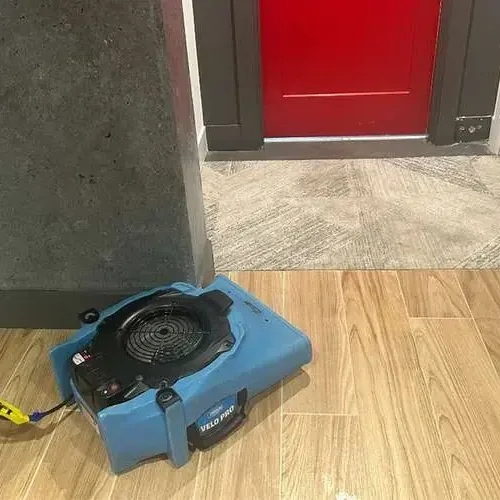
Every kind of indoor water trouble
From a single leaking hose to a flooded lower level, each service below follows the same disciplined sequence: stop the source, remove the water, then dry to a measured standard.
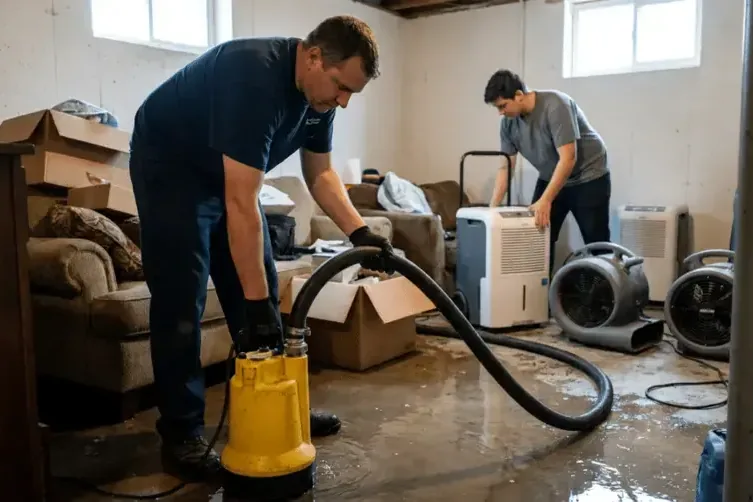
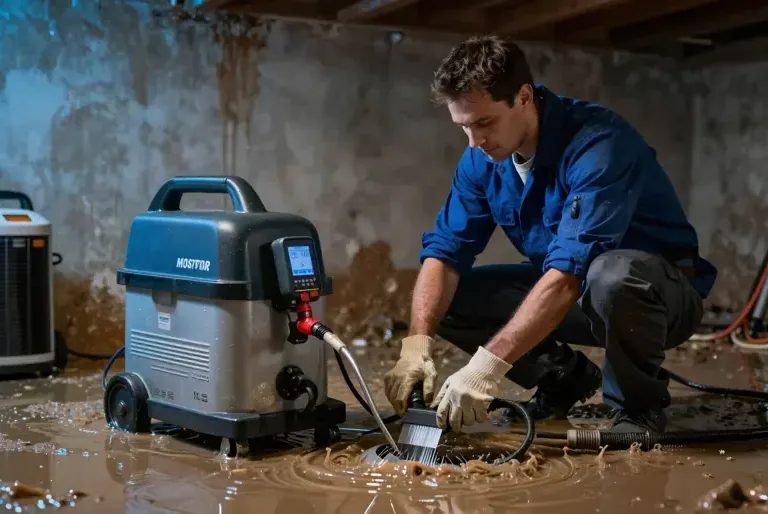 Water Extraction and RemovalStanding water comes out first, using pumps and wands, before it can soak baseboards, subfloors and the rooms next door.Open the service page
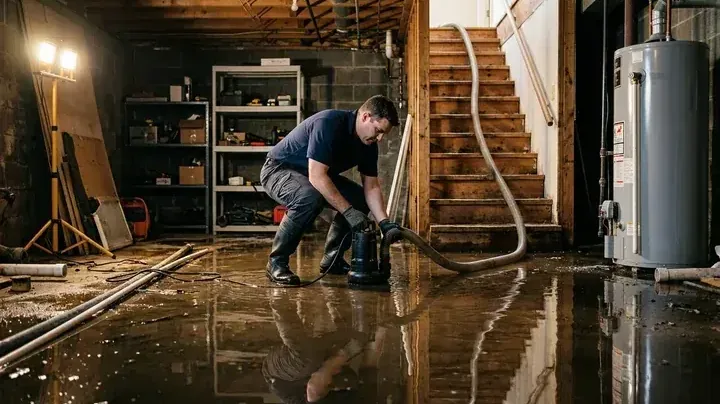 Basement Flooding CleanupWet basements are pumped out, stripped of ruined materials and dried down to bare structure.Open the service page
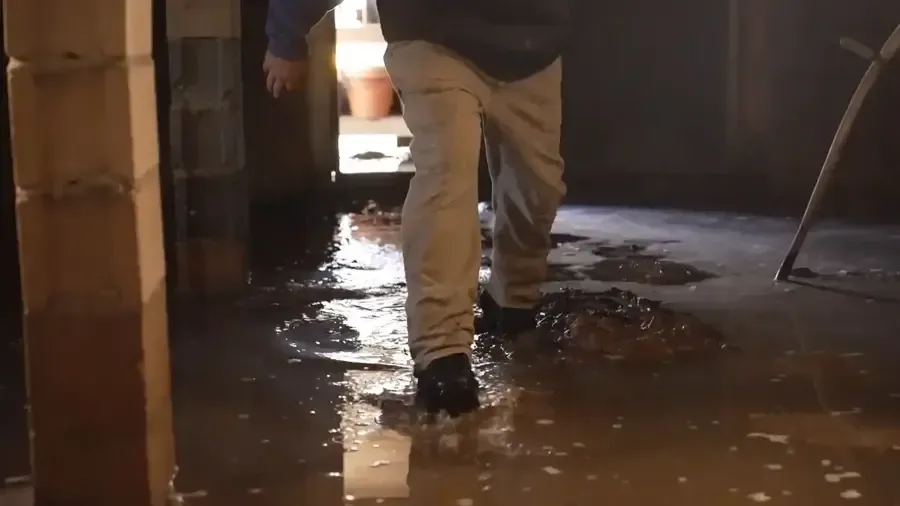 Sump Pump Failure CleanupA failed pump or a power outage can send groundwater across the floor; the water is removed and the area dried.Open the service page
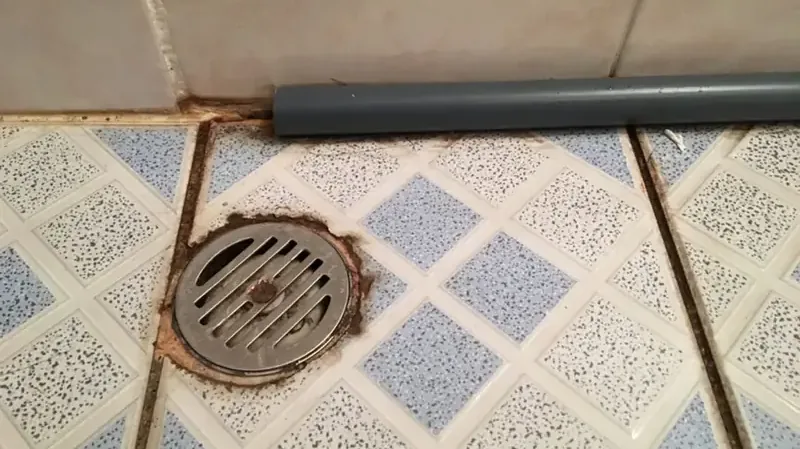 Sewage Backup CleanupBackups need protective gear, hauling away of contaminated material and a sanitizing finish, handled as a health matter.Open the service page
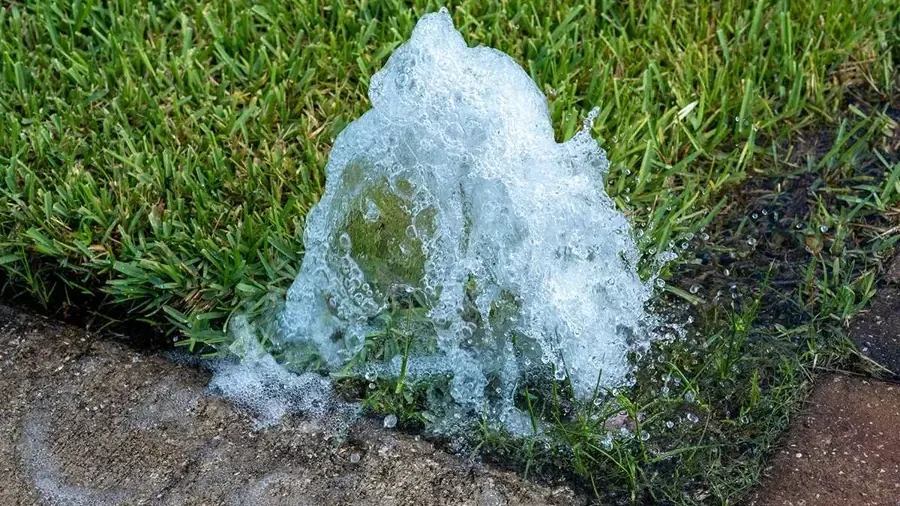 Burst Pipe Water DamageShutting the supply off at the valve comes first, then wet drywall, insulation and flooring are extracted and dried.Open the service page
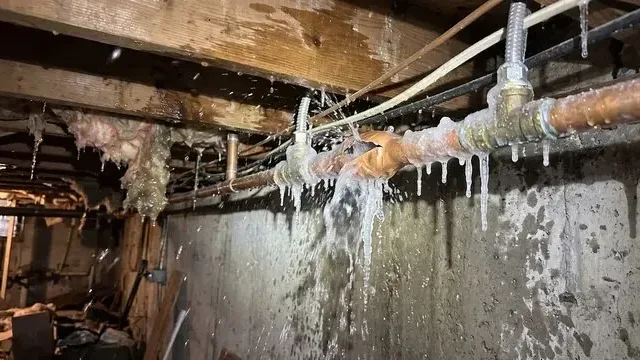 Frozen Pipe Water DamageA pipe split by ice sends water through walls and floors at the thaw; the flow is stopped and the cavity dried.Open the service page
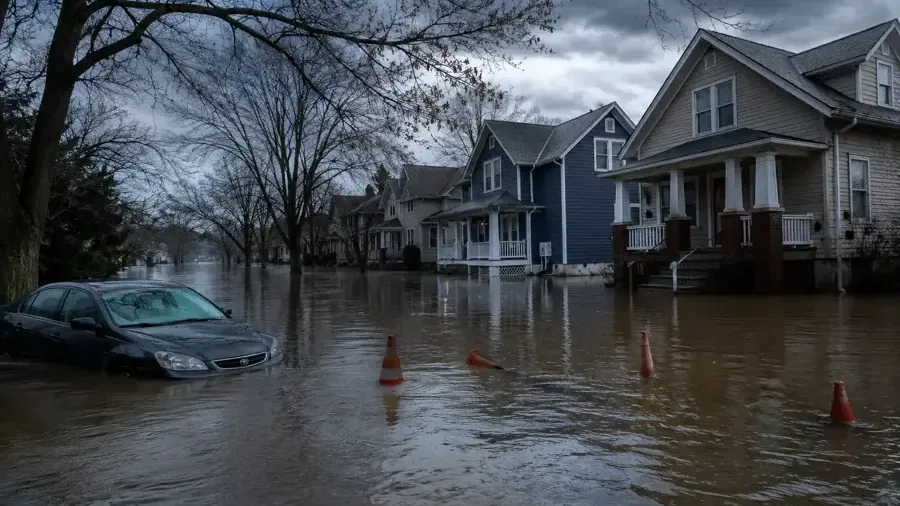 Storm and Flash Flood CleanupRain that enters through doors, window wells or grading problems is pumped out and the soaked materials are cleared.Open the service page
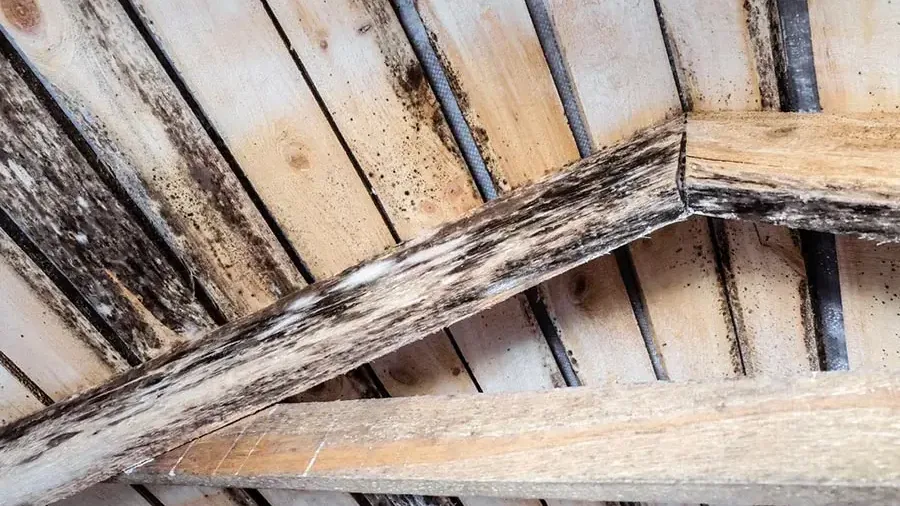 Roof Leak and Ice Dam Water DamageWater that gets past shingles is traced through attic, ceiling and wall, then dried before insulation and drywall give way.Open the service page
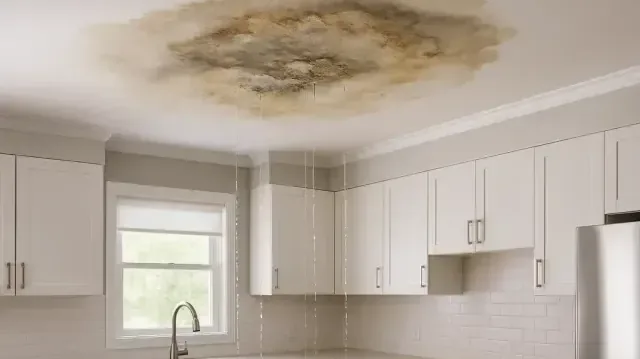 Ceiling Leak Water DamageA stained or sagging ceiling points to a source above it, which is found first so the drying does not start over.Open the service page
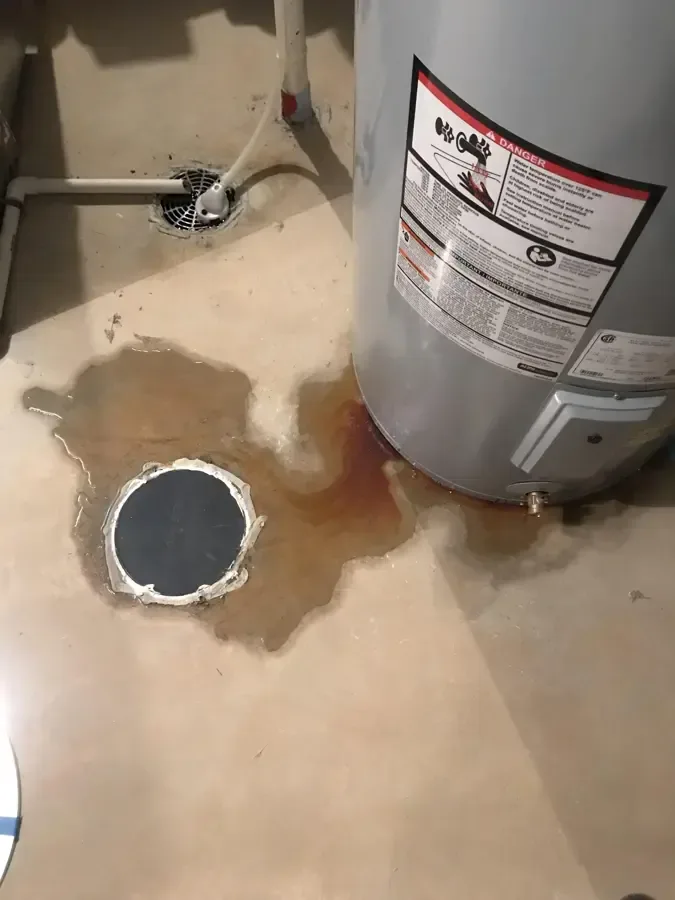
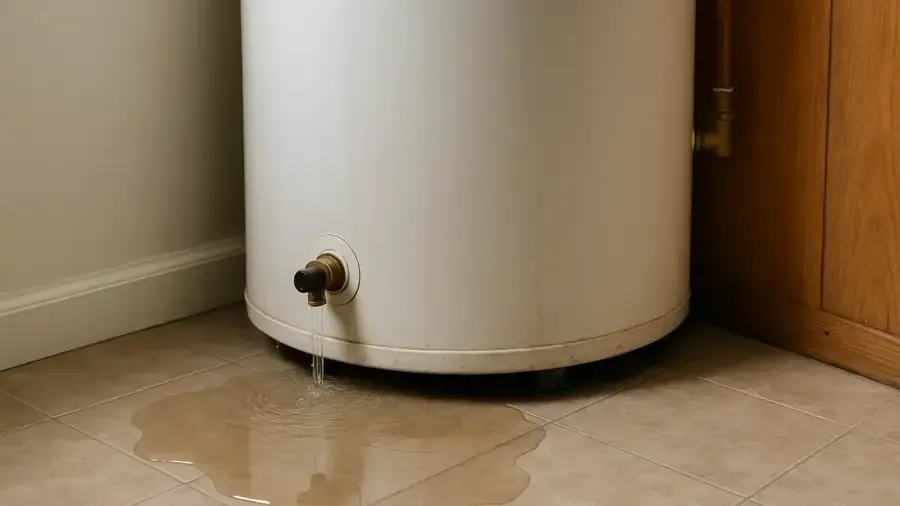 Water Heater Leak CleanupA leaking tank is shut off and drained down, the spread water is extracted and the surrounding floor is dried.Open the service page
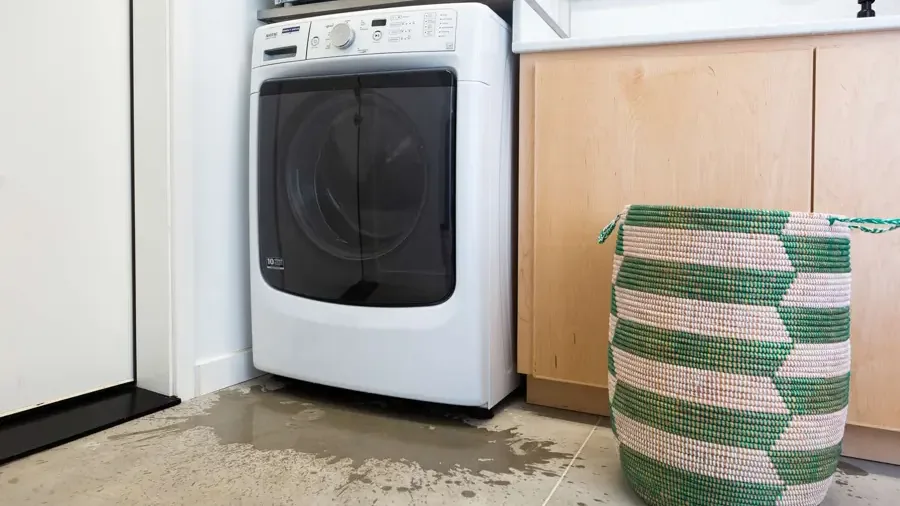 Appliance and Supply Hose LeaksWashers, dishwashers and refrigerators leak slowly behind walls and cabinets; the hidden moisture is found and the damp areas dried.Open the service page
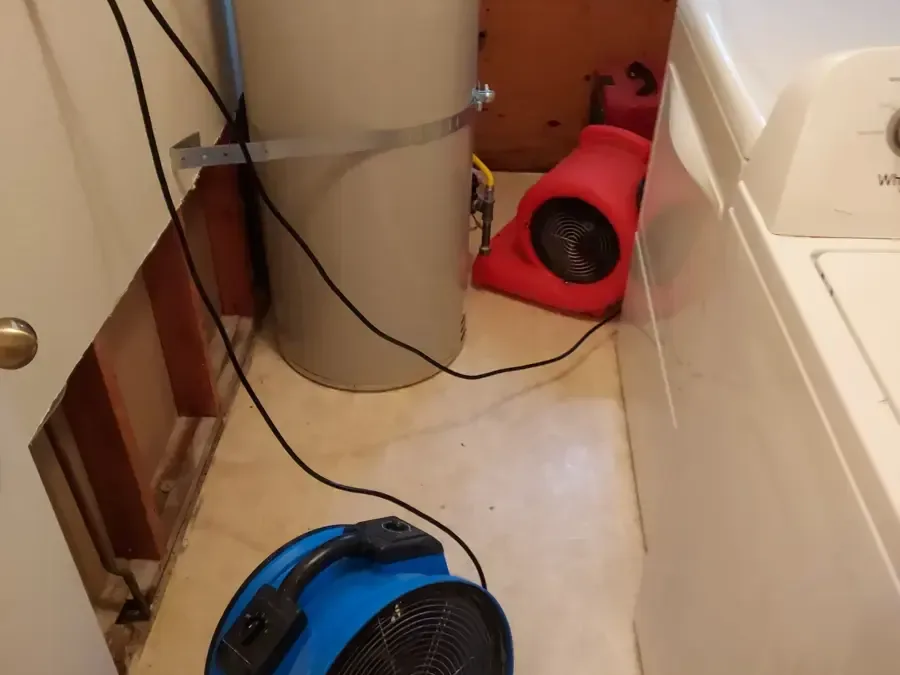
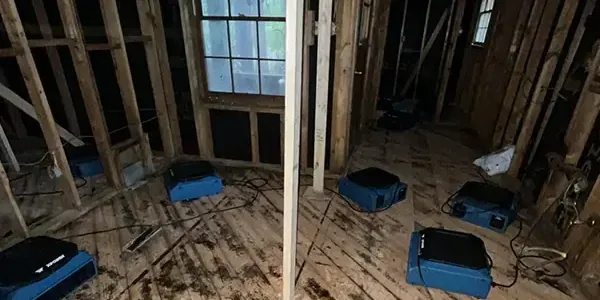 Structural Drying and DehumidificationAir movers and dehumidifiers run with daily moisture readings until framing, subfloor and drywall reach their dry standard.Open the service page
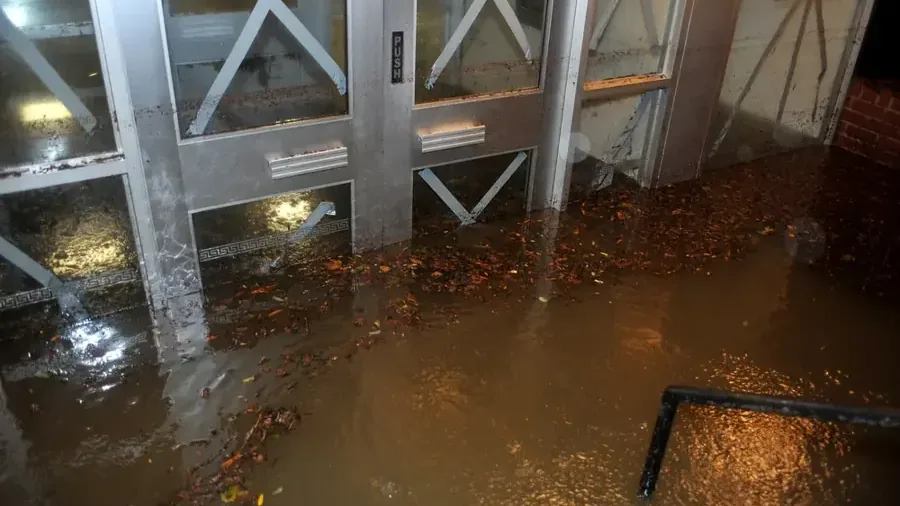 Commercial Water DamageCommercial water losses near Chester Pike, the borough's main road, are contained, extracted and dried around staff and customers.Open the service page
What to do right after water appears
- Stop the water. Close the fixture valve or the main shutoff. If a ceiling bulges, keep people out from beneath it and leave it intact.
- Cut power to wet areas. Switch off breakers serving soaked rooms. Never step into standing water near outlets, a panel or plugged-in appliances.
- Photograph everything. Take wide and close photos of the damage and the source before anything is moved. Insurers rely on that record.
- Lift valuables. Move small furniture, rugs and electronics out of the wet zone. Leave heavy pieces for the crew.
- Call for extraction. Bring in a restoration team early, because every extra hour of wet drywall and padding adds cost.
Dispatch runs every hour of the year, weekends and holidays included.
(888) 557-1733Talk to the drying team tonightA repeatable method for wet homes
Moisture meters and thermal imaging, not guesses, decide when a structure is dry, which keeps repairs from starting on damp framing.
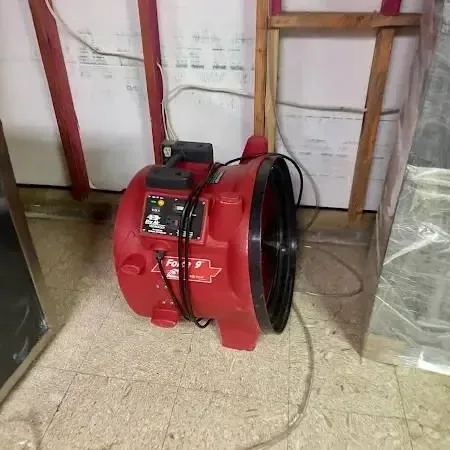
Measured, not assumed
Meters and a thermal camera trace moisture behind walls and under floors, so wet areas hidden from view are found before drying begins.
Written scope
Every room gets an itemized scope listing what is removed, what stays and what equipment runs, ready for an adjuster.
Careful with contents
Furniture, rugs and keepsakes are blocked up, moved or bagged so wet floors do not stain what can still be saved.
Daily dry-down checks
Readings are retaken on each visit, and equipment is pulled only after the numbers match a dry reference point.
Where water damage usually starts
Pipes and hoses
Category 1A split supply pipe or a failed hose can soak a wall cavity before anyone sees a stain, so a quick shutoff and drying matter most.
Burst pipe cleanupRoofs and ceilings
Category 2Rain that finds a way past flashing or shingles drips into insulation first, then stains the ceiling days later, by which time drywall is saturated.
Roof leak cleanupDrains and sewage
Category 3When a main drain backs up, the water carries bacteria; only protective gear and sanitizing, not a mop, make the room safe again.
Sewage cleanupA dry standard measured room by room
Drying follows the IICRC S500 approach: classify the water, set equipment by room volume, and keep logging readings until wet materials match the dry reference in unaffected rooms. Nothing is called dry on appearance alone.
Assess and classify
Meters and a thermal camera map where the water traveled, and the source decides whether it is clean, gray or contaminated.
Extract and remove wet materials
Pumps and wands pull standing water; soaked padding, baseboard and drywall that cannot dry in place are cut out and bagged.
Place drying equipment
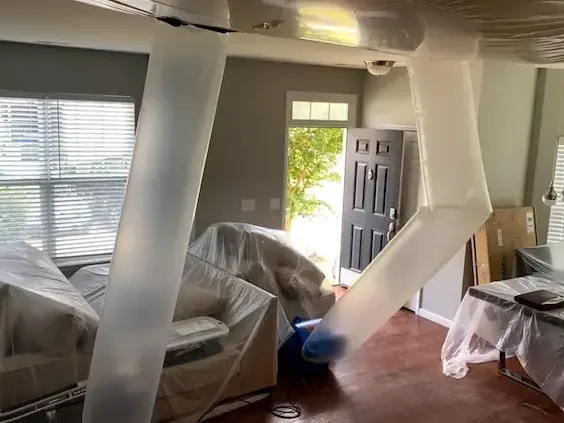
Air movers and dehumidifiers are set by the volume of each room, with containment plastic hung where dust or odor could spread.
Monitor until dry
Readings are logged at each visit, and the equipment leaves only when materials meet the dry reference.
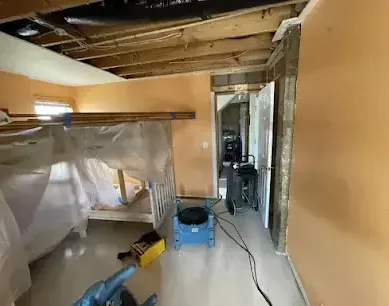
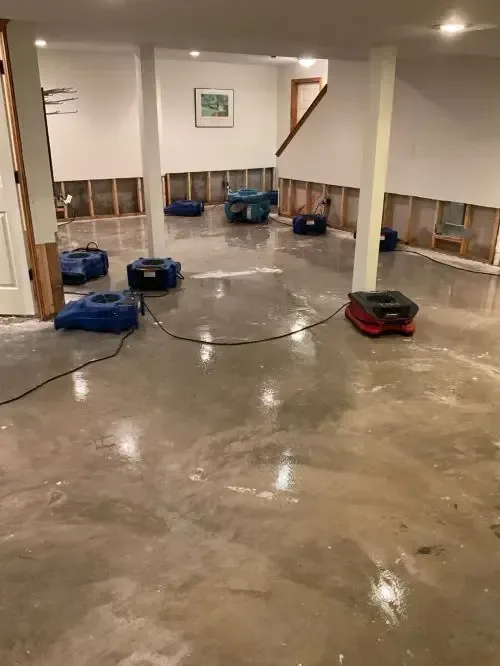
What a drying job looks like in practice
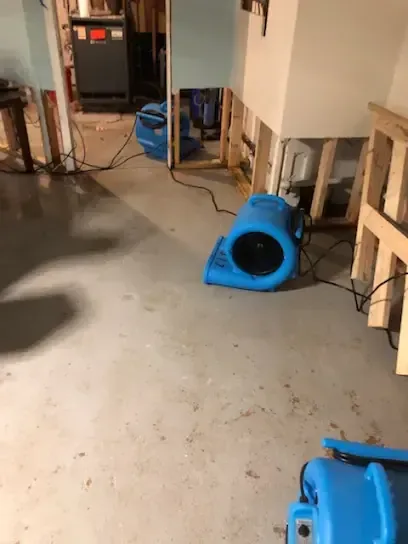
Water damage help across the borough
ZIP code served
Reaching homes along Chester Pike and the surrounding blocks
Crews can reach the streets around Glenolden Station, the blocks near Glenolden Park and the Chester Pike corridor, as well as homes in the Llanwellyn and Glenolden Manor areas.
Each address gets its own moisture map and written scope, whether the loss began at a hose, a roof or a drain.
Non-urgent email: [email protected]
(888) 557-1733Describe the damage to a restoration proStreets and landmarks
Nearby towns served
Full coverage list
What does water damage restoration cost here
Most jobs land between $1,000 and $9,000, though sewage, dense materials or several affected rooms can push a loss to $25,000 or beyond, which is why a written scope comes first.
One room, clean water
- Water extraction
- Fans and dehumidifier
- Moisture checks
Basement or several rooms
- Wet drywall removal
- Several drying days
- Documented readings
Dense materials or Category 3
- Sewage sanitizing
- Material disposal
- Extended drying
Final totals depend on the water category, the floor area affected and how long the materials stayed wet, so a written scope follows the first moisture readings.
Documentation adjusters can use
Insurers want proof of the cause, the extent and the steps taken, so the drying team records all three as the work proceeds.
- Dated photos of the source and each affected room
- Moisture readings from the first visit and each return
- An itemized scope of removed materials and drying equipment
- Receipts for plumbing repairs or emergency supplies purchased
- A list of damaged belongings, photographed before disposal
What owners can do themselves
Owners can shut off water, mop small spills, lift contents and run a fan, but wet drywall and padding should wait for meter readings.
Do not discard damaged items or tear out finishes until photos are taken, because adjusters often need to see what was lost.
Where water trouble comes from
Water damage in the borough usually starts indoors, with a failed hose, a tired water heater or a roof that lets rain through. The creeks nearby are part of the map, yet each job is judged by what the house actually shows.
1775 Thomas Shipley built the Old Mill in 1775, and the Old Mill Dam on Muckinipattis Creek, known locally as The Falls, sits where Delmar Drive, South Avenue and East Amosland meet.
Closely built blocks
With 7,223 residents counted in the 2020 Census, homes here sit close together, so water moving through a wall or floor can become a neighbor's problem too.
Mixed building eras
Population grew from 1,944 in 1920 to a peak of 8,697 in 1970, so homes span several building eras and drying plans must adapt to different framing and finishes.
Wet weather
The Old Mill Dam on Muckinipattis Creek sits where Glenolden, Folcroft and Norwood meet. Whenever rain pushes water into a house, the job is storm cleanup: pump out, remove soaked materials, dry.
Pipes, tanks and hoses
Most indoor losses start with a split supply pipe, a failing water heater tank or a washing machine hose, and each one keeps leaking until someone finds the shutoff.
Roofs and winter
Freezing weather can split exposed pipes and back melted snow under shingles, and either one shows up weeks later as a stained ceiling or a damp wall.
Questions owners ask first
Water in the house right now?
Describe what is wet and where, and the restoration team will lay out the first moves before anyone drives over.
(888) 557-1733 Talk through the damage by phoneWhat should I do first when a pipe bursts?
Shut off the water at the main valve, switch off power to wet rooms and call for burst pipe cleanup. Quick shutoff limits how far water travels through walls and floors.
How soon does mold become a concern?
Damp drywall and framing can begin supporting mold growth within 24 to 48 hours, which is why standing water is pulled out and drying equipment is placed quickly.
How much does water damage restoration cost?
Small clean-water jobs often fall between $1,000 and $3,500, while a finished basement or several rooms can reach $9,000. The cost calculator gives a closer figure.
Will homeowners insurance pay for the damage?
Coverage depends on the cause. Sudden pipe, hose or tank failures are often treated differently from rising surface water, so reading the policy wording and contacting the adjuster early is the safe route.
How long does drying take?
Most clean-water losses dry in about three to five days, though dense flooring, wet insulation or a finished basement can run longer. Structural drying continues until readings match a dry reference.
Is it safe to stay in the house?
That depends on the source and any electrical hazards. A clean-water leak in one room usually allows staying, while sewage, standing water near outlets or a sagging ceiling call for leaving the affected area.
What makes sewage backups different?
Sewage carries bacteria and viruses, so affected materials are removed rather than dried and surfaces are sanitized. See sewage backup cleanup for the full steps.
Do I need a plumber before restoration starts?
Often yes. A plumber stops or repairs the source while the drying team removes water and wet materials. If the leak is still running, the shutoff comes before anything else.
Which parts of the borough are covered?
Homes and businesses throughout ZIP 19036, from the streets near Glenolden Station to the blocks around Glenolden Park and along Chester Pike.
Water in the house needs a plan today
Tell the restoration team what happened, and a drying plan can start before the damage spreads.
(888) 557-1733Get the drying team on the phone