Water Damage Restoration Folcroft, PA
When a pipe splits, a heater tank gives out or a storm pushes water indoors, the restoration team removes the standing water, dries the framing and floors, and cleans up what the water touched.
(888) 557-1733Ask a drying pro what comes nextDamp framing and drywall can grow mold within 24 to 48 hours, so drying starts right away.
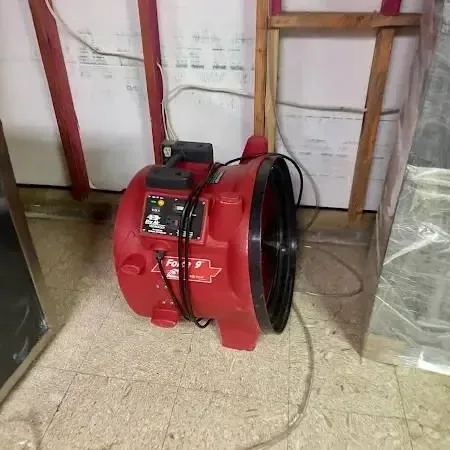
Water problems the restoration team handles
From a washer hose that let go to a basement full of storm water, the work is matched to the source, the water category and the materials that got wet.
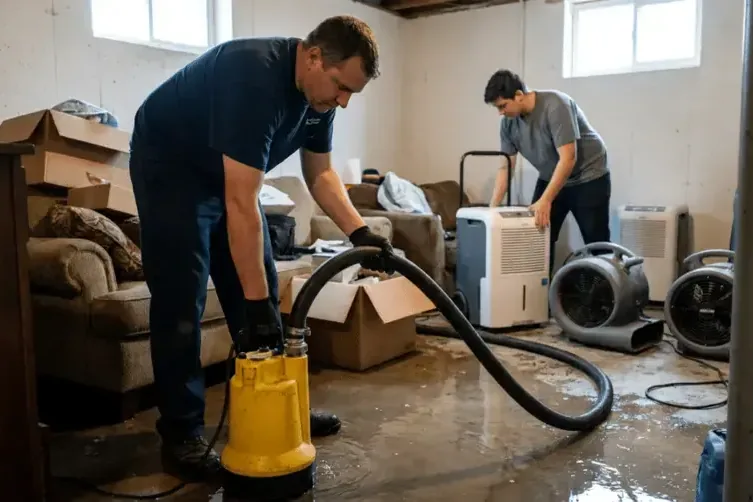
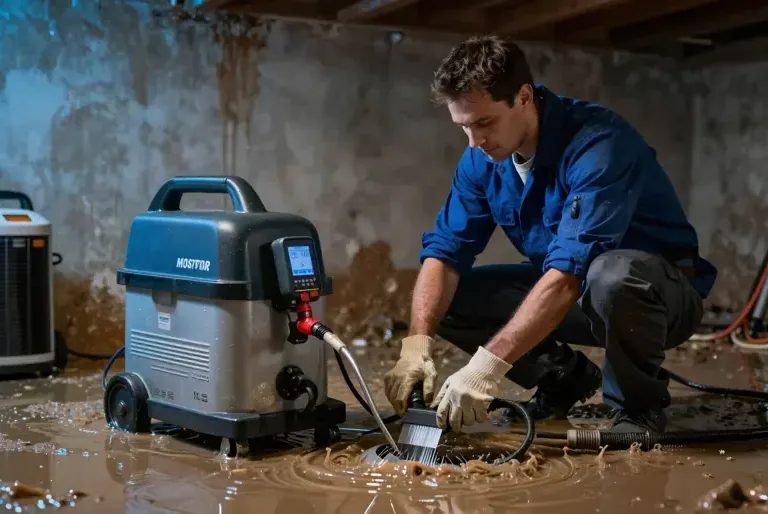 Water Extraction and RemovalPumps and wet vacuums pull standing water from floors and carpet before it can wick into walls, cabinets and subfloor.Open the service page
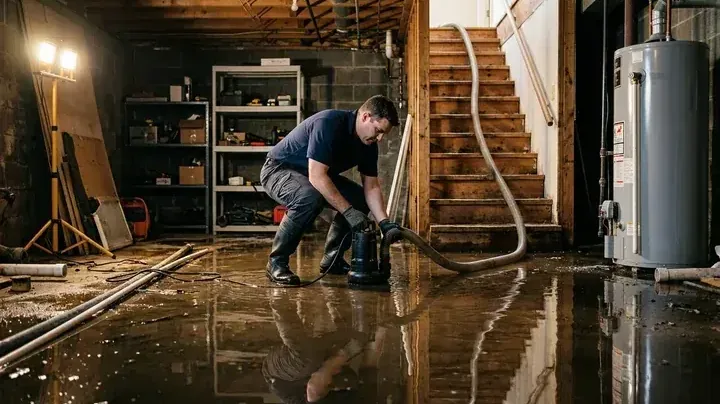 Basement Flooding CleanupWater in a lower level is pumped out, wet drywall is cut back, and the space is dried before anything is rebuilt.Open the service page
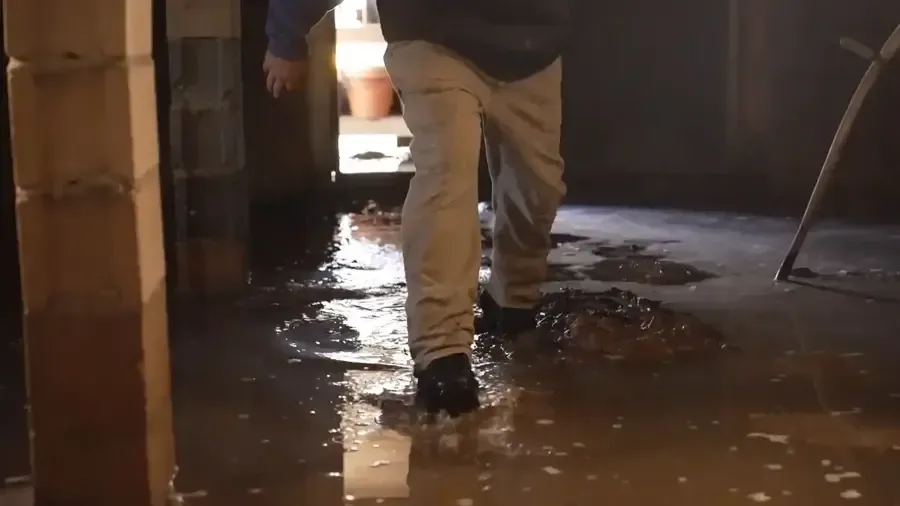 Sump Pump Failure CleanupWhen a sump pump stops or cannot keep up, the water it left behind is extracted and the area dried.Open the service page
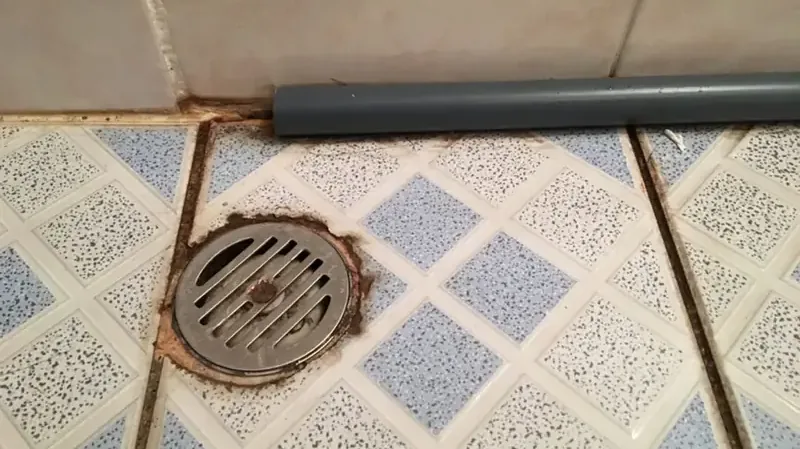 Sewage Backup CleanupBacked-up sewage is removed with protective gear, soaked materials are cleared out, and surfaces are sanitized.Open the service page
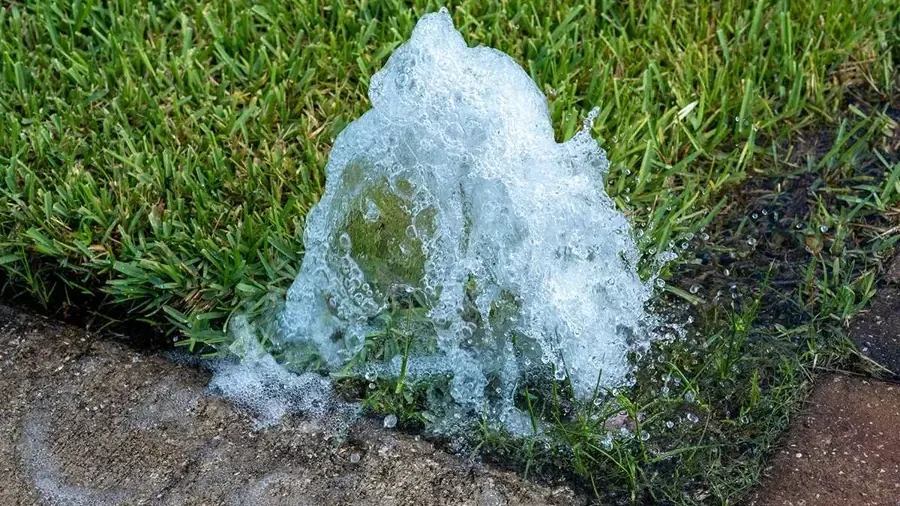 Burst Pipe Water DamageA split supply pipe soaks walls, ceilings and floors quickly, so the water is shut off, extracted and dried.Open the service page
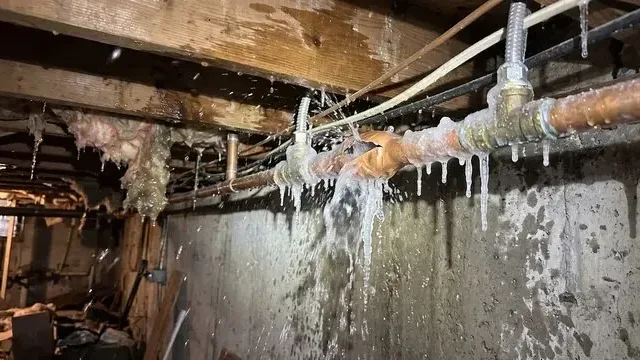 Frozen Pipe Water DamageA pipe split by ice leaks once it thaws; the leak is stopped and the damp wall or floor is dried out.Open the service page
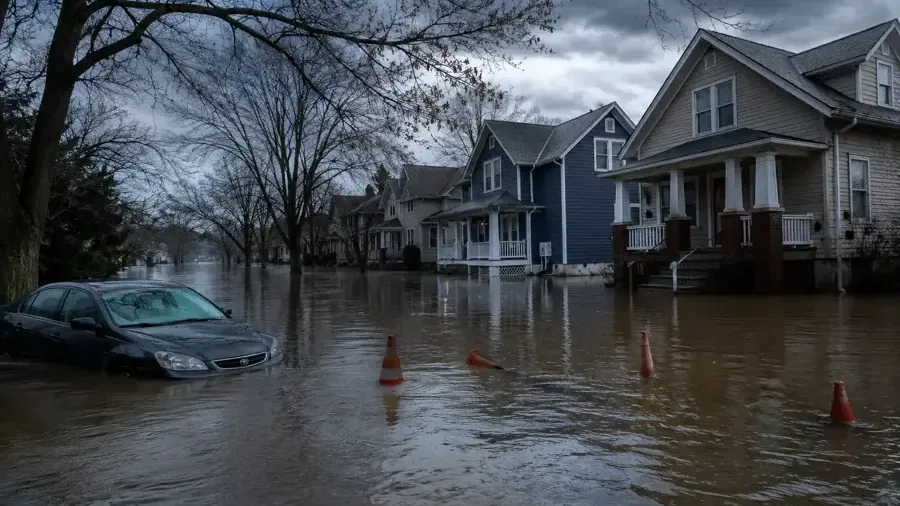 Storm and Flash Flood CleanupStorm and flash flood water is pumped out, muddy debris is cleared, and the structure is dried after the surge recedes.Open the service page
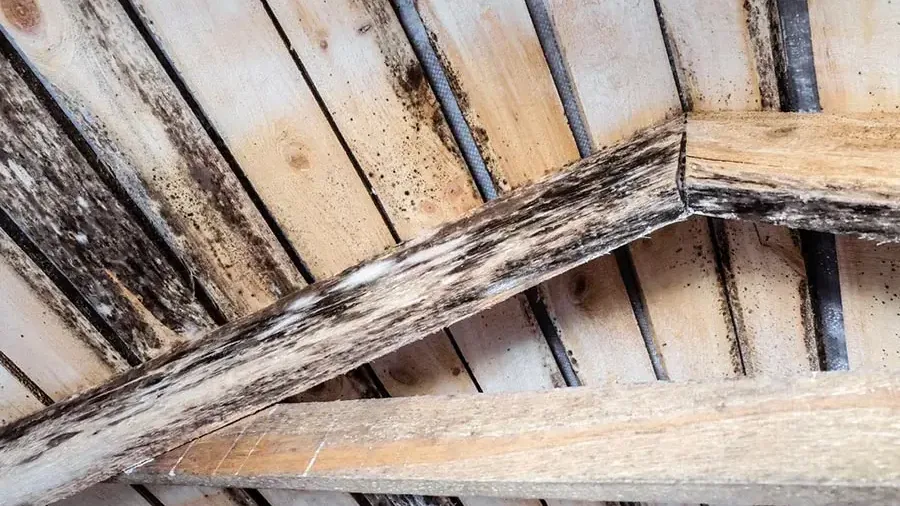 Roof Leak and Ice Dam Water DamageWater that entered through the roof or an ice dam is traced, then the attic, insulation and rooms below are dried.Open the service page
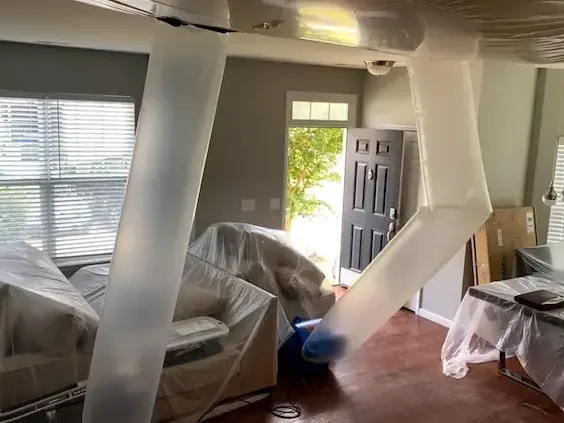
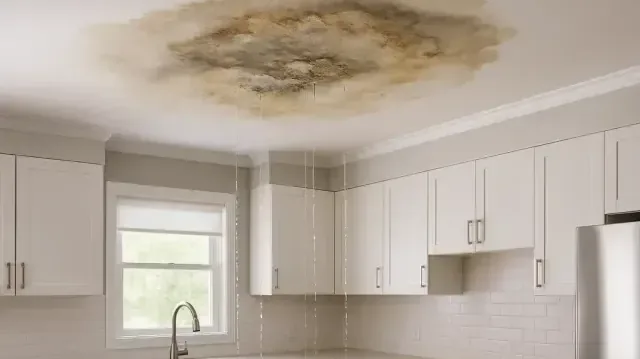 Ceiling Leak Water DamageA stained or sagging ceiling points to a leak above; the source is traced and the ceiling and wall cavity dried.Open the service page
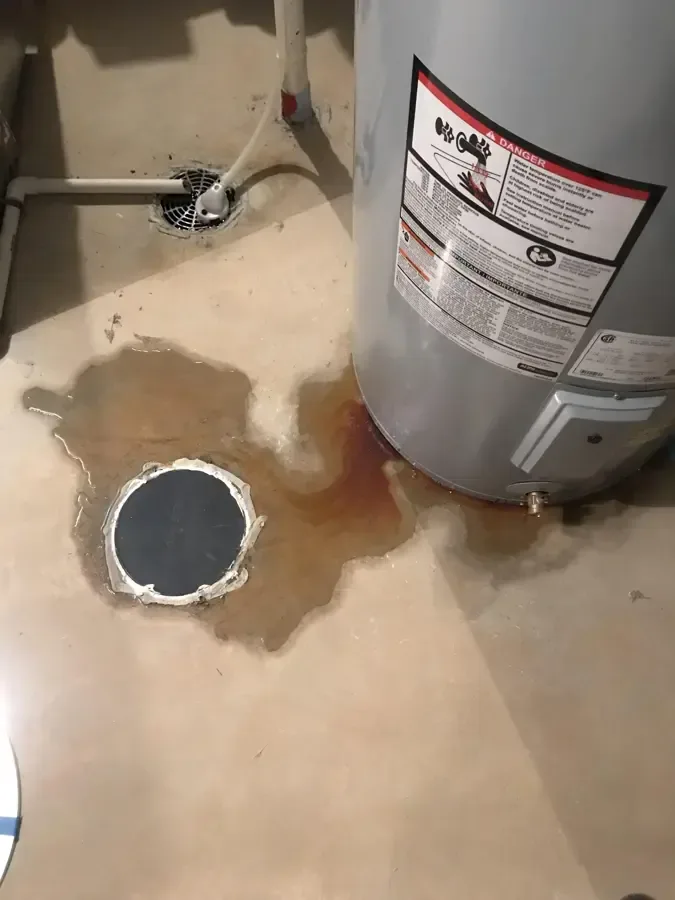
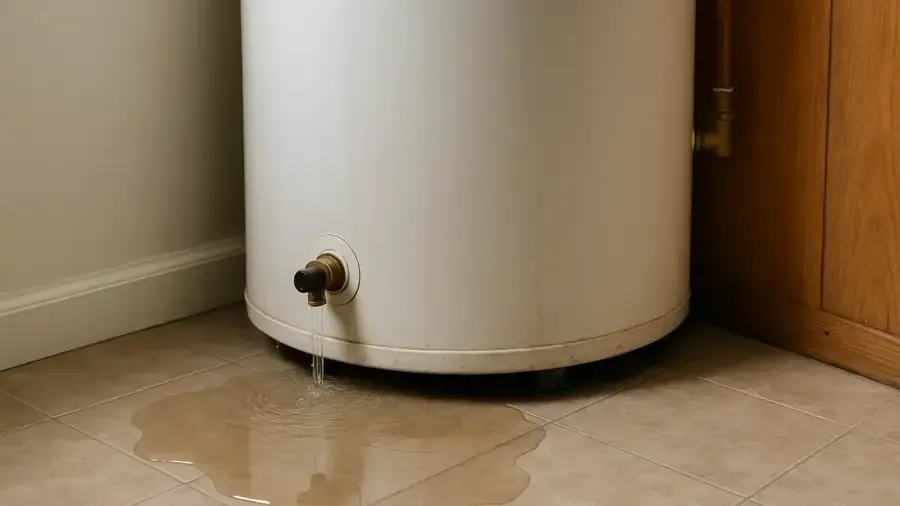 Water Heater Leak CleanupA leaking tank is shut off, the spill is extracted, and the floor and nearby walls are dried before damp spreads.Open the service page
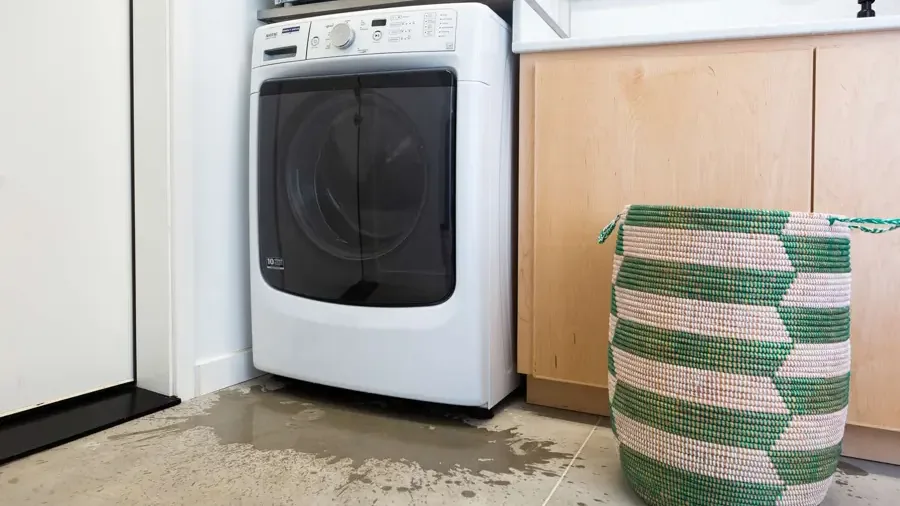 Appliance and Supply Hose LeaksWasher, dishwasher and refrigerator supply leaks are stopped, the water removed, and cabinets and flooring dried.Open the service page
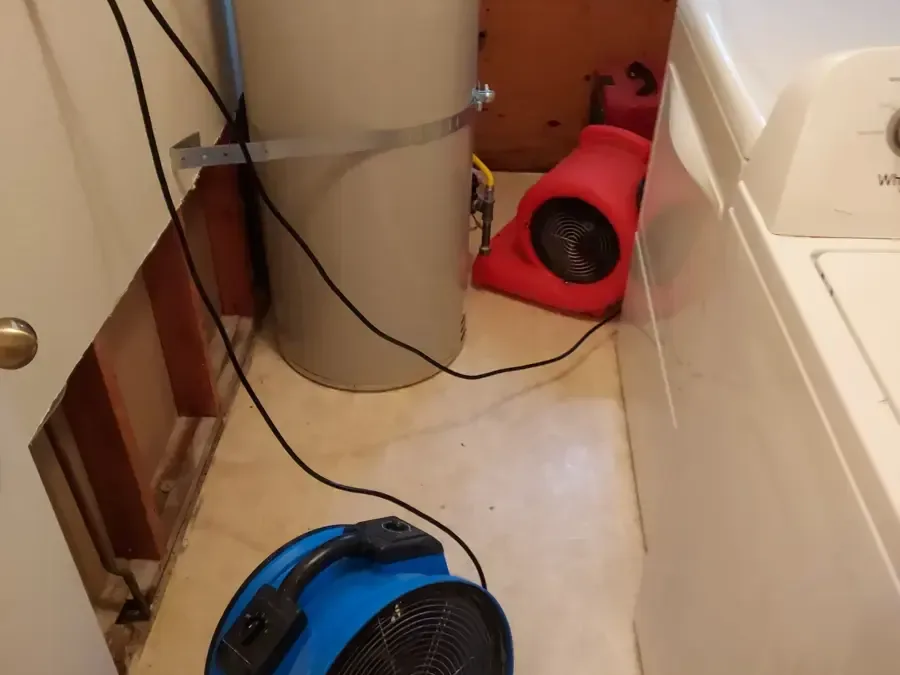
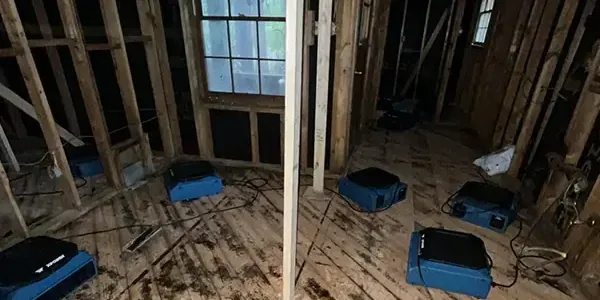 Structural Drying and DehumidificationAir movers and dehumidifiers pull moisture out of framing and finishes while readings show when each area is dry.Open the service page
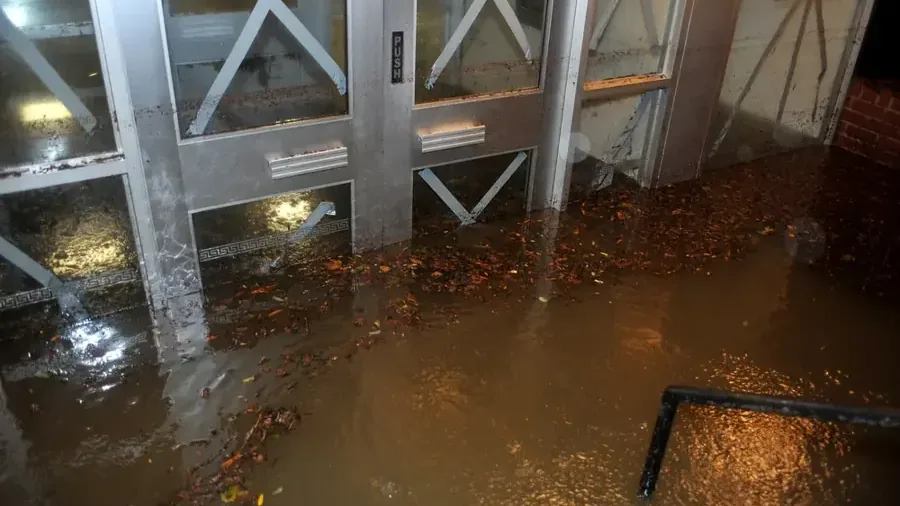 Commercial Water DamageOffices and shops get extraction, drying and cleanup planned around the space so the business can reopen sooner.Open the service page
What to do while water is still spreading
- Stop the source. Shut off the main water valve or the appliance supply, and switch off power to wet areas if that can be done safely.
- Keep people clear. Stay out of rooms with standing water near outlets or a sagging ceiling, and keep children and pets away from the area.
- Document the damage. Take clear photos and short videos of the water, its source and damaged belongings before anything is moved.
- Call for drying help. Phone the restoration team early so extraction and drying equipment can be planned while the insurer is contacted.
- Open the claim. Tell the insurer about the loss and ask what documentation the adjuster needs for the claim file.
Dispatch runs every hour of the year, weekends and holidays included.
(888) 557-1733Ask a drying pro what comes nextWhy local owners choose professional drying
A wet house rarely shows all of its damage on the surface, so the work leans on measurements instead of guesses.
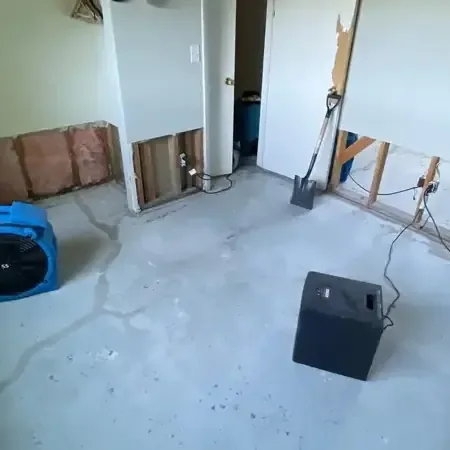
Water-only focus
The work covers clean water, gray water and sewage, and leaves unrelated trades to other contractors who specialize in them.
Measured results
Moisture readings taken before, during and after drying document the progress for the property owner and the insurer.
Clear scope
An itemized scope names the rooms, equipment and materials so the owner can compare it with an insurance estimate.
Careful with contents
Furniture and belongings are moved, lifted or covered so the drying equipment can reach the wet surfaces underneath and around them.
Three ways water usually gets inside
Burst pipes
Category 1A split supply pipe can release gallons into a wall or ceiling before anyone notices, which is why closing the main valve comes first.
Burst pipe water damageAppliance leaks
Category 2Washer hoses, dishwasher connections and refrigerator supply tubes fail slowly, and the water often travels under flooring and cabinets.
Appliance leak cleanupSewage backups
Category 3Backed-up drains bring unsanitary water indoors, so cleanup uses protective gear and removes the porous materials it reached.
Sewage backup cleanupA drying standard backed by readings
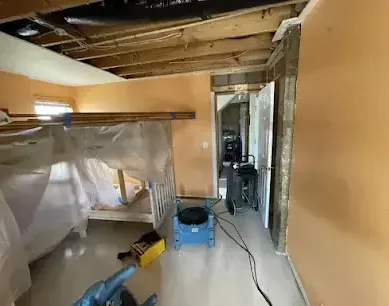
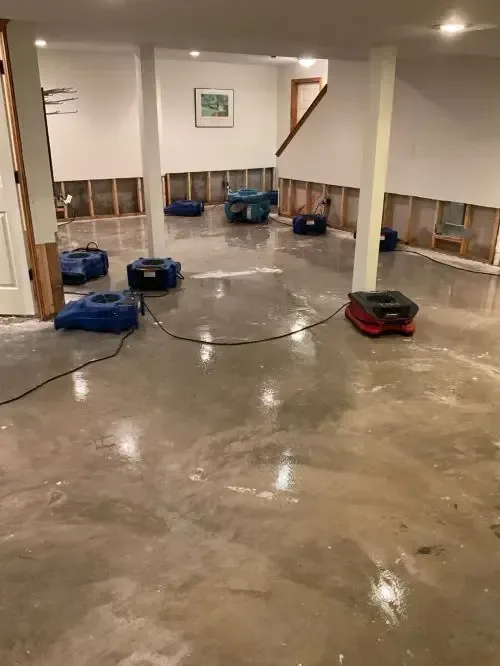
Equipment is placed for the rooms and materials involved, then moisture meters and thermal checks show whether walls, framing and floors have reached normal levels before any equipment leaves the property.
Inspect and map
Meters and a thermal camera find where the water traveled, including behind baseboards and under flooring that looks dry.
Extract the water
Pumps and wet vacuums remove standing water first, because every gallon left behind has to be dried out of the materials later.
Dry the structure
Air movers push dry air across surfaces while dehumidifiers pull moisture from the room, and the setup is adjusted as readings drop.
Confirm and close
Final readings are compared with unaffected areas, and equipment comes out only when the wet materials match that dry baseline.
Equipment and methods used on typical water jobs
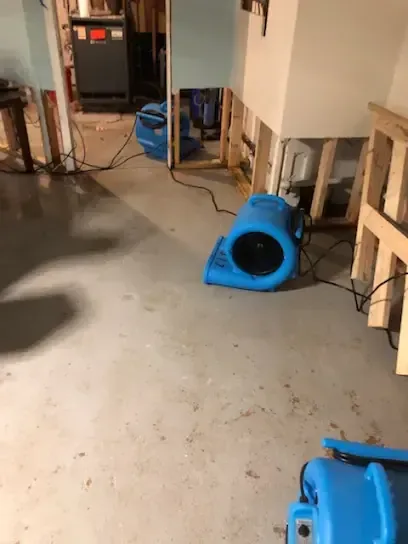
Streets and landmarks across the borough
ZIP code
Water in the house? Reach the drying team now
Use the call button for emergency extraction and drying anywhere in the borough, from the streets near Folcroft Station to the ones close to Darby Creek.
Water that reached a basement, kitchen or ceiling gets the same treatment wherever it started: stop the source, extract, then dry until readings match a dry baseline.
Non-urgent email: [email protected]
(888) 557-1733Call for emergency dryingLandmarks and roads
Full coverage list
How much does water damage cleanup cost here?
Small clean-water jobs start around $1,000, while a finished basement or several rooms run $3,500 to $9,000, and dense materials or Category 3 water can reach $25,000 or more.
One room, clean water
- Extraction in one room
- Air movers placed
- Daily moisture checks
Finished basement or several rooms
- Wet drywall cut back
- Dehumidifiers running
- Floor and wall drying
Dense materials or Category 3
- Sewage-safe cleanup
- Material removal
- Extended drying
These ranges describe typical scopes, not quotes. An itemized scope after inspection lists the rooms, equipment and materials, and insurance coverage often changes what the owner ends up paying.
Getting the claim paperwork in order
Insurers want proof of what happened and what it cost to fix, so records created during the cleanup matter as much as the repairs.
- The date, time and cause of the water loss
- Photos and video taken before cleanup starts
- The itemized scope with the equipment log
- Moisture readings recorded at each drying visit
- Damaged belongings listed with receipts when available
What owners can do themselves
Photograph the damage, keep damaged items for the adjuster to see, and save every receipt for temporary repairs, hotel stays or rented equipment.
Before agreeing to a plan, ask the insurer whether the policy treats a drain backup, a failed sump pump and rising storm water differently, since each can sit under separate coverage.
What shapes water risk around the borough
Folcroft sits in southeastern Delaware County with Darby Creek along its southern border and Muckinipattis Creek along its western one, so heavy rain and ordinary plumbing failures are both part of the picture for local homes.
August 31, 2026 The borough said its annual sewer lining and improvement work, backed by a $425,000 2025 PA Small Water Program state grant, would begin that week to address inflow and infiltration.
Creek-side runoff
Two creeks mark the borough's edges, so after long rain the ground near low entries deserves a look, because water can find its way inside from many spots.
Sewer system work
The borough funds annual sewer lining to address inflow and infiltration, and any plumbing work to the main sewer is on its permit list, yet a backup indoors still needs cleanup.
Water heater swaps
Replacing a water heater takes a borough building permit and may take plumbing, electrical or mechanical permits too, so a leaking tank and its replacement are best planned together.
Roof permits
Roof replacement, overlay and new shingles on an existing roof need a borough permit, with no more than two layers allowed, which keeps leak repair and roofing separate steps.
Railroad-era suburb
Folcroft grew as a residential suburb after the Pennsylvania Railroad was built through it in 1874 and became a borough in 1922, but each house still has to be checked on site.
Folcroft water damage questions and answers
Still have a question?
Describe the situation by phone and the restoration team will explain what extraction, drying or cleanup it likely needs.
(888) 557-1733 Ask a drying pro nowHow soon should standing water come out?
As early as it can be done safely, because wet drywall, insulation and framing can begin growing mold within 24 to 48 hours, and standing water keeps seeping into flooring and cabinets.
What does the first visit involve?
The team checks the source, maps wet areas with moisture meters, explains the water category and writes an itemized scope before any equipment is set up.
Does insurance cover water damage cleanup?
It depends on the policy and the cause. Sudden pipe or appliance failures are commonly covered, while outside flooding and sewer backups often sit under separate coverage, so the insurer should confirm.
Do repairs need a borough permit?
The borough permit list names replacement and renovation work such as water heaters, supply pipes, roofs and kitchens. The list is for reference only, so confirm with the borough before rebuilding.
What happens when sewage backs up?
Sewage is handled as Category 3 water: protective gear is worn, porous materials it touched are removed, and hard surfaces are sanitized. Sewage backup cleanup explains the stages.
How long does drying take?
Many jobs need several days of equipment, though dense materials such as hardwood or plaster can take longer, and moisture readings decide when the job is finished.
Can wet carpet and drywall be saved?
Carpet and padding that took clean water can sometimes be dried in place. Drywall that stayed wet and anything touched by sewage is usually removed, and meters decide each case.
Does the borough send emergency alerts?
The borough home page offers a sign-up for emergency notifications, and finishing that sign-up before the next storm is a simple precaution for any household.
What should be done before the team starts?
Shut off the water source, switch off power to wet areas if that is safe, move small valuables out of the way and photograph the damage.
Does the team handle commercial properties?
Yes. Shops and offices get the same extraction and drying, planned around the space, and commercial water damage covers how the work is scheduled.
Water in the building? Start drying before the damage spreads
Phone the restoration team any hour and describe what happened, so pumps, fans and dehumidifiers can be planned.
(888) 557-1733Get a drying plan going